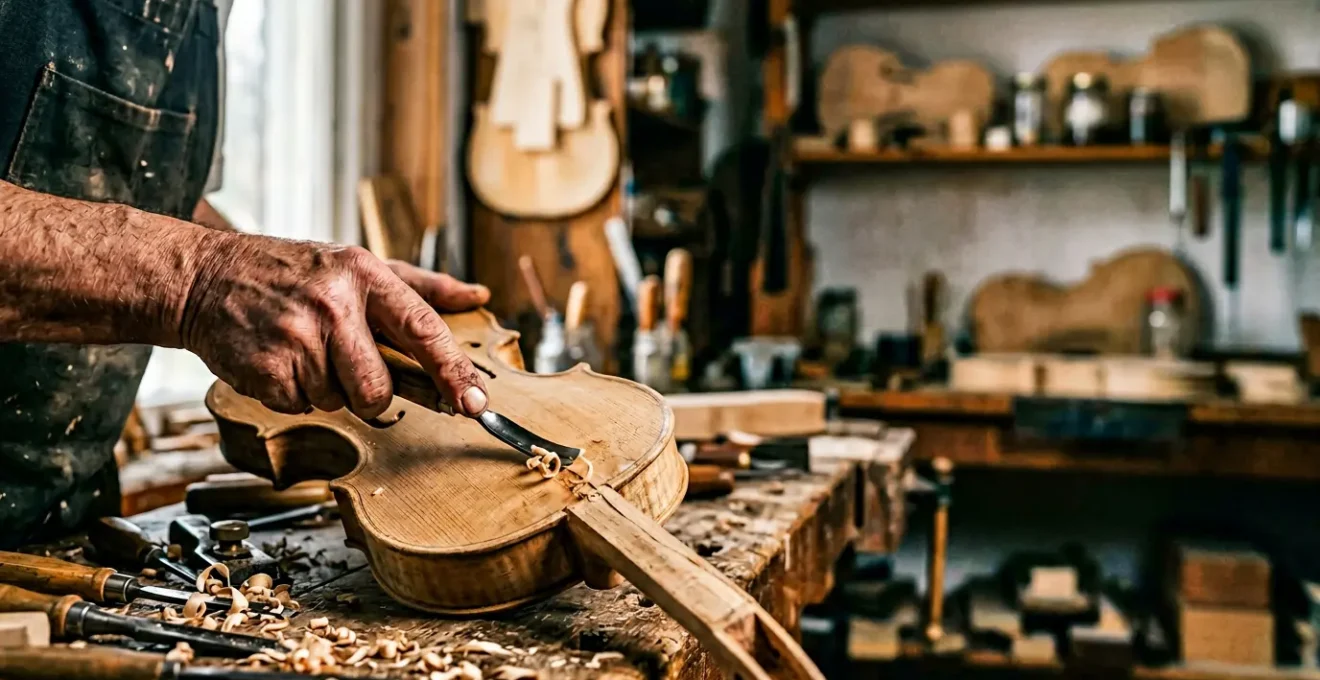
The decline of Britain’s instrument makers is not just an economic issue; it’s a crisis of connection that musicians have the power to reverse.
- A handmade instrument’s superior sound stems from the luthier’s personal selection of tonewoods and voicing, a stark contrast to factory production ideals.
- Proper setup and maintenance, not price, are what truly define an instrument’s quality and playability, turning players into active custodians of their gear.
Recommendation: Shift your mindset from consumer to custodian. Your choices in buying, maintaining, and understanding your instrument directly contribute to the survival of this irreplaceable heritage craft.
There’s a moment every musician recognises: the first time you play an instrument that feels truly alive. It resonates not just in your hands, but through your entire body. This is the magic of true craftsmanship, a quality that seems increasingly rare in a world dominated by mass production. We often hear that the decline of traditional instrument makers in the UK is an inevitable consequence of economics—that factory-made instruments are simply cheaper and more accessible. We are told the skills are too complex, the business models unviable, and the market too small.
But what if this narrative misses the most crucial point? What if the survival of these skills isn’t a problem for governments or institutions to solve, but a living tradition that every musician and enthusiast actively shapes? This article argues that the key to preserving this heritage lies not in lamenting the modern world, but in empowering ourselves with knowledge. The real difference isn’t just in the price tag; it’s in the tonal provenance, the ethics of restoration, and the deep partnership between player and instrument.
This guide reframes the issue, moving beyond passive concern to active participation. We will explore the tangible differences between handmade and factory instruments, provide a roadmap for supporting British makers, and detail the principles of maintenance that transform you from a mere owner into a true custodian of the craft. It’s time to understand that your choices—how you buy, how you care for, and how you understand your instrument—are the most powerful tools we have to ensure these skills don’t just survive, but thrive for generations to come.
This article delves into the critical nuances that define the value and longevity of a musical instrument. We will examine why handmade instruments possess a unique soul, how to invest in heritage crafts, and the essential practices for preserving these treasures for the future.
Summary: A Musician’s Guide to Preserving Britain’s Instrument Making Heritage
- Why Does a Handmade Guitar Sound Different From a Factory Instrument?
- How to Buy an Instrument That Supports British Craft Traditions?
- Museum Collection or Working Instrument: How Should Historic Instruments Be Preserved?
- The Restoration Error That Ruined a 200-Year-Old Violin’s Value Overnight
- How to Maintain an Heirloom Instrument So It Survives Another 100 Years?
- Why Does Changing Pickups Transform Your Guitar More Than Buying a New One?
- Why Does Central Heating Destroy Pianos Faster Than Cold Storage?
- Why Does Your £2,000 Guitar Sound Worse Than Your Mate’s £400 One?
Why Does a Handmade Guitar Sound Different From a Factory Instrument?
The fundamental difference between a handmade and a factory instrument is not one of quality alone, but of core philosophy. A factory’s goal is efficiency and consistency, producing strong, saleable units at scale. A luthier’s goal is singular: to create the best possible sound and playability. This distinction begins with the wood itself, the very soul of an acoustic instrument. While a factory might use kiln-dried wood for speed, an artisan luthier often air-dries select tonewoods for years, a patient process that enhances stability and resonance. Research even demonstrates that the luthier’s careful selection of tonal provenance—choosing a specific piece of wood for its unique character—can result in a sound improvement of up to 60% compared to standard-grade materials.
Beyond materials, the luthier imparts a personal « voicing » to the instrument. This involves meticulously carving the braces and tap-tuning the top to optimise its response, ensuring a rich and balanced tone across all registers. It’s an iterative, intuitive process that cannot be replicated by automated machinery. A machine can follow a blueprint to the micrometre, but it cannot listen. It cannot feel how a piece of Sitka spruce vibrates or sense the subtle stiffness that will define the instrument’s character. As master luthier Ervin Somogyi notes, this focus on acoustic excellence is the defining factor:
The main ideal behind factory guitars is that they be made quickly, strong and salable. The main ideal behind the handmade instrument is quality of sound and playability.
– Ervin Somogyi, Master Luthier
This hands-on approach creates an instrument with a unique personality and dynamic range that responds intimately to the player’s touch. A factory guitar is an assembly of parts; a handmade guitar is a cohesive, resonant system where every element is chosen and shaped to serve a single artistic purpose. This is the difference between a tool and a partner.
How to Buy an Instrument That Supports British Craft Traditions?
Becoming a custodian of British craft begins with a conscious decision to invest in the makers themselves. This doesn’t necessarily mean commissioning a five-figure instrument; it means engaging with the vibrant ecosystem of luthiers working across the UK. The first step is research. Instead of browsing mass-market retailers, explore specialised online resources. Directories like The Luthier Directory UK or even specific Instagram hashtags (e.g., #ukluthier) are windows into the workshops of artisans whose philosophy might align with your own. Many makers document their process through « build diary » videos on platforms like YouTube, offering an unparalleled insight into their craftsmanship and approach to tonal provenance before you even make contact.
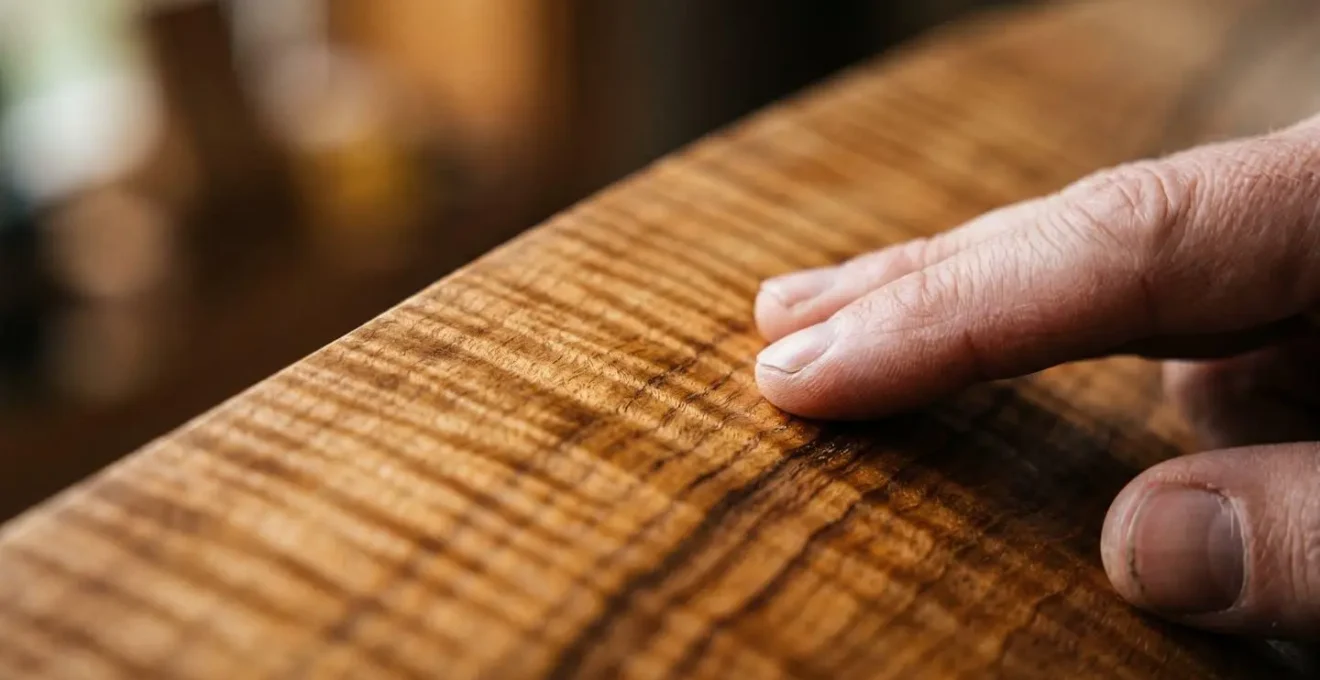
As you can see, the process begins with an intimate connection to the raw materials. Once you’ve identified a few makers, initiate a conversation. This is not a typical retail transaction but the beginning of a collaborative partnership. Discuss your playing style, your aesthetic preferences, and the sounds you are chasing. A good luthier will guide you through choices like wood selection and neck profile, creating an instrument that is an extension of you. When you commit to a build, you are not just buying a product; you are funding the continuation of a skill set. For this reason, always request comprehensive documentation—records of the wood’s origin, photographs of the build process, and a statement of the maker’s philosophy. This « instrument passport » not only ensures long-term value and authenticity but solidifies your role as part of that instrument’s living legacy.
Museum Collection or Working Instrument: How Should Historic Instruments Be Preserved?
The debate over preserving historic instruments is a tug-of-war between two valid philosophies: should a priceless violin be sealed in a climate-controlled case as a silent artifact, or should it be played, fulfilling the purpose for which it was created? The first approach guarantees its physical survival, while the second preserves its sonic soul at the risk of wear and damage. With about 650 of Antonio Stradivari’s approximately 1,100 instruments surviving today, the question of how to manage this dwindling resource is urgent. Keeping them unplayed can cause its own problems; wood can become dormant and brittle without the regular vibration and tension of strings.
However, a « third way » is emerging, blending the best of both worlds through technology. This approach treats the instrument as a living legacy, where both its physical form and its unique voice are preserved. A pioneering example is the « Stradivarius Sound Bank » project, which provides a compelling model for the future of preservation.
The Stradivarius Sound Bank Digital Preservation Project
In January 2019, the Museo del Violino in Cremona launched an ambitious project to digitally preserve Stradivarius instruments. The mayor blocked traffic and asked residents to remain silent for five weeks while musicians recorded over one million sound files from four historic instruments, including the 1727 ‘Vesuvio’ violin. This ‘third way’ approach allows the original instruments to be preserved in museum conditions while their exact acoustic properties are captured and made available for digital performance and study.
This hybrid model suggests an answer to the dilemma. The original masterpieces can be carefully maintained and played on special occasions by top musicians, ensuring their structural integrity is monitored. Simultaneously, their precise acoustic fingerprint is captured and democratised, allowing researchers, composers, and performers worldwide to study and use their sound without ever touching the original varnish. This method honours the instrument both as a historical object and as a source of living music, ensuring its legacy endures in both physical and digital realms.
The Restoration Error That Ruined a 200-Year-Old Violin’s Value Overnight
In the world of heritage instruments, the line between maintenance and destruction is perilously thin. A well-intentioned but poorly executed « improvement » can irreversibly erase an instrument’s historical and monetary value. The guiding principle of ethical restoration is reversibility. Any work performed should, in theory, be undoable without damaging the original material. This core tenet is where many catastrophic errors occur, often driven by a desire to modernise an instrument’s playability at the expense of its authenticity. For example, replacing an old, slightly warped bridge is routine maintenance; permanently altering the neck angle with modern epoxy is vandalism.
The most common and devastating mistakes involve aggressive refinishing or structural changes. An antique violin’s original varnish is a complex part of its identity and tonal signature. Stripping it and applying a thick, modern polyurethane lacquer might make it look shiny and new, but it destroys its soul and its value as an antique. Similarly, thinning the top wood to « improve » resonance is an irreversible alteration that erases the original luthier’s intent. The key is to distinguish between reversible upkeep and permanent alteration, a difference that has profound consequences for an instrument’s legacy, as a comparative analysis of restoration practices makes clear.
| Restoration Type | Reversible Maintenance (Good) | Irreversible Alterations (Bad) |
|---|---|---|
| Structural Work | New bridge with removable saddle, loosening and re-gluing with traditional hide glue | Thinning the top wood, permanently altering neck angle with modern adhesives |
| Finish Work | Partial nitrocellulose lacquer repair, French polish touch-up | Aggressive re-varnishing with thick polyurethane, complete refinishing |
| Hardware | Replacing worn tuning pegs with period-appropriate alternatives | Installing modern machine heads, drilling new peg holes |
| Documentation | Photographing before/during/after, recording all materials used | No records kept, undocumented changes to original construction |
| Value Impact | Maintains or increases value, preserves historical authenticity | Destroys historical value as antique, may improve playability but erases provenance |
Ultimately, a custodian’s responsibility is to preserve, not to reinvent. Every decision should be made in consultation with a specialist luthier who understands the ethics of conservation. Comprehensive documentation of all work performed is not optional; it is a critical part of the instrument’s ongoing story, ensuring future generations understand its history and can care for it appropriately.
How to Maintain an Heirloom Instrument So It Survives Another 100 Years?
Ensuring an heirloom instrument survives for the next generation is an act of active stewardship, not passive storage. The most common mistake is to lock a valuable guitar or violin away in its case, believing it to be safe. In reality, instruments are designed to be under the constant, stable tension of their strings. Regular, gentle playing maintains their structural integrity, allowing the wood to vibrate and preventing it from becoming dormant, unresponsive, and brittle over time. An instrument that is played is an instrument that stays alive.
Beyond playing it, the most crucial factor in long-term preservation is environmental stability. Wood is a hygroscopic material—it absorbs and releases moisture from the air, causing it to swell and shrink. These fluctuations are the primary cause of cracks, warped necks, and failed glue joints. The goal is to maintain a consistent environment, ideally with a relative humidity between 40% and 60%. Relying on a room humidifier is often insufficient, as conditions can change rapidly. For a truly valuable heirloom, internal humidity control systems that sit inside the case provide a much more stable micro-climate. Finally, true craft custodianship requires diligent record-keeping and proper protection against the unexpected. This is where a detailed, actionable plan becomes essential.
Your Action Plan for Heirloom Preservation
- Play Regularly: Play the instrument gently and consistently. This keeps the wood resonant and prevents it from becoming dormant and brittle from lack of vibration.
- Create an ‘Instrument Passport’: Start a logbook to document every repair, setup, string change, and appraisal. This builds provenance and informs any future restoration work.
- Control Humidity Actively: Store the instrument in a stable environment of 40-60% relative humidity. Use an in-case humidity control system for consistency, as this is more effective than relying on room humidifiers alone.
- Secure Specialised Insurance: Obtain a dedicated musical instrument insurance policy. Standard home insurance is often inadequate and won’t cover specific risks like humidity cracks, depreciation after a repair, or loss during travel.
- Build a Luthier Relationship: Establish a relationship with a trusted luthier for regular check-ups. They can spot potential issues like a lifting bridge or a sinking top long before they become catastrophic failures.
By following these steps, you are not just maintaining an object; you are actively participating in its history and ensuring its voice can be heard for another century.
Why Does Changing Pickups Transform Your Guitar More Than Buying a New One?
For an electric guitar, the pickups are not just components; they are the instrument’s vocal cords. While the tonewood and construction of an acoustic guitar are paramount to its sound, an electric guitar’s voice is primarily shaped by the magnetic field of its pickups translating string vibration into an electrical signal. This makes swapping pickups one of the most transformative and cost-effective upgrades a player can make, often yielding more dramatic sonic changes than buying a much more expensive instrument. A boutique, hand-wound pickup is the modern luthier’s equivalent of acoustic voicing, offering a specific character that factory-produced pickups, designed for mass appeal, cannot match.
This idea is perfectly captured by industry experts who see pickups as the primary filter for an electric guitar’s tone.
Pickups as the ‘vocal cords’ of the electric guitar: boutique, hand-wound pickups are the modern equivalent of a luthier’s acoustic ‘voicing’. They are the primary filter that shapes the string’s vibration into a distinct character.
– Guitar Physics Analysis, Electric Guitar Tonal Shaping Research
Furthermore, engaging in this modification is a crucial first step from being a passive consumer to an active custodian of one’s gear. It demystifies the instrument and empowers the player with a deeper understanding of how their sound is created. This simple act is often a gateway to the broader world of lutherie.
Pickup Swaps as an Entry to Lutherie
The modern Maker Movement has empowered musicians to transition from passive consumers to active makers. Pickup replacement represents an accessible entry point into understanding instrument construction—requiring only basic soldering skills and screwdrivers. This hands-on modification teaches guitarists about electromagnetic pickup theory, output resistance, tonal filtering, and how subtle changes in magnetic field shape affect harmonic response. Many contemporary luthiers began their craft journey with simple electronic modifications before progressing to full instrument construction.
By changing your pickups, you are not just altering a component; you are performing sonic surgery, fundamentally changing the guitar’s personality. Whether you’re seeking a vintage PAF-style warmth or a modern high-output aggression, a pickup swap allows you to tailor your instrument’s voice to your exact needs, providing a level of customisation that is often more impactful than a simple upgrade in price point.
Why Does Central Heating Destroy Pianos Faster Than Cold Storage?
It’s a counter-intuitive truth: a cold, stable barn is often a safer home for a piano or acoustic guitar than a centrally heated modern house. The real enemy of wooden instruments is not a specific temperature, but rapid fluctuation in humidity. Central heating systems create an artificially dry environment, especially during winter months. This forces the wood in an instrument to release its natural moisture into the air, causing it to shrink. This shrinkage puts immense stress on glue joints, can cause the soundboard of a piano to crack, and leads to sharp fret ends protruding from a shrinking guitar fretboard.
Conversely, a cold but stable environment, like an unheated room or storage unit, often maintains a more consistent relative humidity. While not ideal, the stability prevents the damaging cycle of expansion and contraction. The wood remains in a state of equilibrium. Instrument manufacturers are clear about the ideal conditions for preservation: a stable range of 40-60% relative humidity (RH) is essential for long-term stability. A centrally heated home in a UK winter can easily drop below 30% RH, entering a danger zone for any acoustic instrument.
The principle of moisture stability is so critical that it begins the moment a quality instrument is built. As the Yamaha Guitar Craftsmanship Team emphasizes, « When building a guitar, ensuring the wood used has the right level of moisture, and that the moisture level is stable, is essential to the quality of the finished instrument. » This initial stability must be maintained throughout the instrument’s life. The dry, fluctuating air from central heating directly attacks this equilibrium. It’s a slow, silent process of destruction, far more damaging than consistent cold, highlighting why active humidity control is not a luxury but a necessity for any serious musician.
To Remember
- True craft custodianship is an active role; your choices in buying, maintaining, and understanding your instrument directly impact the survival of heritage skills.
- An instrument’s value is defined more by its setup and suitability for the player than its price tag. A well-adjusted, cheaper instrument will always outperform a poorly set up expensive one.
- The greatest threat to a wooden instrument is not temperature but fluctuating humidity. Active environmental control is essential for long-term preservation.
Why Does Your £2,000 Guitar Sound Worse Than Your Mate’s £400 One?
It’s a frustrating scenario for any musician: you’ve invested in a premium, high-end guitar, yet your friend’s budget instrument somehow feels and sounds superior. This common experience is explained by what can be called the « Setup Paradox. » The secret is that the price of an instrument is not a direct indicator of its out-of-the-box playability. A professional setup—the meticulous adjustment of the nut, saddle, truss rod, and intonation to suit a specific player’s style—is what unlocks an instrument’s true potential. Many expensive factory guitars are shipped with a generic, « safe » setup designed to withstand shipping, not to be played optimally. They often require significant work from a luthier to feel right.
This counter-intuitive reality reveals that the partnership between player and instrument is more about adjustment than initial cost. A skilled technician can elevate a modest instrument to a professional standard, while a premium one can feel stiff and uninspiring without that crucial final tailoring.
The Setup Paradox of Premium Guitars
Many expensive factory guitars require professional setup work (fret dressing, nut slotting, precise intonation) more than budget instruments to unlock their potential. Premium guitars are often shipped with ‘generic’ factory setups designed to survive shipping rather than optimize playability. A £400 guitar that has received a professional £150 setup may outperform an unoptimized £2,000 instrument. This counter-intuitive reality reveals that the player-instrument partnership depends more on proper adjustment to individual anatomy and playing style than on raw cost.
Ultimately, the perfect instrument is a deeply personal match. An expensive guitar with a neck profile that doesn’t fit your hand or a body size that feels awkward will always be a struggle to play, no matter its pedigree or price. As experienced luthiers often advise, the quest is not for the most expensive instrument, but for the best fit.
The goal is not to own the most expensive instrument, but to find the one whose neck shape, body size, and tonal profile best match your unique anatomy and playing style. A bad match will always sound and feel wrong, regardless of price.
– Guitar Selection Philosophy, Professional Luthier Guidance
To truly honour the heritage of instrument making, embrace your role as a craft custodian. Invest in a professional setup for the instruments you already own, seek out local luthiers for repairs and advice, and when you are ready to buy, consider commissioning a piece that will not only serve your music but also carry a story forward. Your actions are the lifeblood of this tradition.