Artists & portraits
Being a successful musician today requires far more than just technical proficiency or songwriting ability. It demands a holistic approach that intertwines your auditory art with a compelling visual identity, a commanding stage presence, and a sustainable physical routine. Whether you are a classical soloist preparing for a recital or a band looking to dominate the festival circuit, understanding how you present yourself—both in a portrait and under the stage lights—is what separates fleeting trends from enduring icons.
This comprehensive guide explores the essential elements of an artist’s career beyond the recording studio. We will delve into the psychology of performance, the strategies for visual branding, and the critical habits necessary to maintain your health and creativity over decades. Our goal is to provide you with the insights needed to transform from a musician into a complete artist.
Defining Your Visual Identity: More Than Just a Headshot
In an era dominated by digital streaming and social media, your visual representation is often the first interaction a potential listener has with your work. Why do most artist photos look generic while some become instantly iconic? The difference rarely lies in the camera equipment, but rather in the intention and storytelling behind the image.
Breaking Away from Generic Imagery
A common pitfall for emerging artists is the reliance on safe, standard photography. Using a plain white background, for instance, often wastes a valuable opportunity to convey the mood of your music. Your visual assets should be an extension of your sonic palette. Consider the emotional weight of your genre:
- Moody Black and White: Often serves music with depth, nostalgia, or raw emotional honesty, stripping away distractions to focus on the subject’s character.
- Vibrant Colour: Can signal energy, modernity, and pop sensibilities, essential for cutting through the noise of a crowded feed.
Capturing Authenticity
The most compelling portraits capture a moment of truth. However, many musicians freeze when a lens is pointed at them, resulting in stiff, overused poses that make every artist look the same. Achieving natural expressions requires preparation and a rapport with your photographer. It is not about looking ‘perfect’, but about looking like you. Regular updates to your imagery are necessary to keep your audience engaged, but changing your style too frequently can confuse your brand identity. Finding the balance between evolution and consistency is key.
Mastering Stage Presence and Performance Psychology
Once the audience is listening, how do you keep them watching? There is a profound difference between a studio genius and a live legend. While precise execution is admirable, why do ‘messy’ live performers often captivate audiences more than technically perfect ones? The answer lies in emotional transmission and stage presence.
The Myth of Natural Charisma
Many believe you are either born with presence or you aren’t. This is a misconception. Stage magnetism can be built through practice. It involves understanding how to use your body so audiences feel what you are playing. Interestingly, standing still can sometimes command more attention than constant activity. The mistake many make is creating a stage character that makes audiences distrust them rather than connect. Authenticity, even in a theatrical setting, is paramount.
Structuring the Live Experience
A great show is a narrative arc. Whether you are designing a setlist for a rock club or a programme for a classical recital, the order of songs significantly impacts audience energy. Common issues include:
- Energy Drain: Placing too many back-to-back virtuoso pieces can leave audiences drained rather than thrilled.
- The ‘Showing Off’ Trap: Programming music solely to demonstrate technical skill often creates a barrier between the performer and the listener.
- Breaking the Spell: Knowing how to talk to audiences between pieces is an art form. Awkward banter can destroy the atmosphere created by the music.
Decisions such as using a music stand versus performing from memory also change the dynamic. While memory can enhance connection, the anxiety it induces can sometimes detract from the performance. The right choice depends on which approach best serves the musical communication.
Creative Longevity: The Long Game
Why do certain musicians still dominate the charts forty years after their peak, while others fade away? Studying the trajectories of enduring icons—like those who ruled the 80s and remain relevant today—reveals that adaptability and resilience are far more valuable than immediate viral success.
Prodigies vs. Late Bloomers
There is no single timeline for success. Some composers write symphonies in their twenties, while others peak in their sixties. Comparing yourself to a ‘prodigy’ path can be discouraging and misleading. History shows us that late bloomers often produce work with greater lasting power due to their accumulated life experience. Whether you wake at dawn like Beethoven or compose only in summer like Mahler, finding a routine that suits your unique psychology is crucial for sustaining a lifetime of output.
Strategic Career Focus
What emerging composers and songwriters should focus on changes with each decade of their career. In the early stages, experimentation is vital. Later, refining a signature voice becomes the priority. Understanding these phases prevents the frustration of trying to achieve everything at once.
Health and Sustainability on the Road
Perhaps the most overlooked aspect of an artist’s life is physical sustainability. Why does touring destroy musicians’ health even when the shows go well? The adrenaline of performance often masks accumulated fatigue, leading to burnout or injury.
To survive the rigours of the road, artists must adopt an athlete’s mindset toward their bodies:
- Vocal Health: Protecting your voice through 30 consecutive show nights requires strict discipline, hydration, and vocal rest.
- Instrumental Ergonomics: Small habits, such as a trumpet playing posture, can cause career-ending injuries if not corrected early.
- Mental Resilience: Some tours leave musicians destroyed, while others leave them energised. The difference often lies in the balance between solitude and socialisation, and the ability to manage the highs and lows of live performance.
Ultimately, whether you are aiming for a support slot, a headline tour, or the festival circuit, your health is the engine of your career. Without it, even the most talented artist cannot maintain momentum.
Navigating the world of Artists & portraits is a journey of self-discovery. By mastering your visual narrative, honing your stagecraft, and prioritizing your long-term well-being, you position yourself not just for a moment of fame, but for a lifetime of artistic contribution.
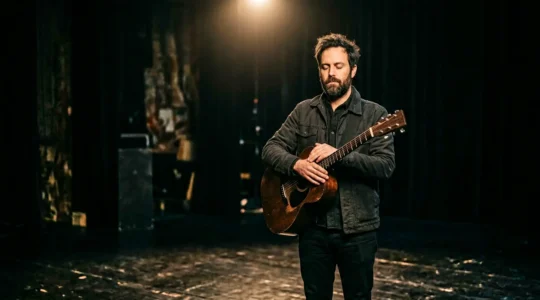
Why Do Some Musicians Captivate Before Playing a Single Note?
Captivating stage presence comes not from adding more movement or flash, but from stripping away noise to reveal an authentic, embodied core that the audience can feel. Intentional stillness commands more attention than restless activity because it breaks patterns and…
Lire la suite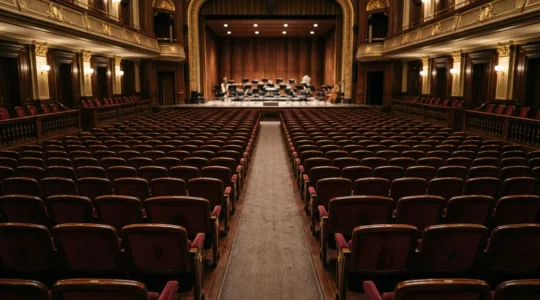
Why Is Your Recital More Exhausting for Audiences Than for You?
Contrary to tradition, a successful recital isn’t a display of the performer’s skill, but a masterful curation of the audience’s cognitive energy. Non-stop virtuosity creates ‘cognitive load,’ actively tiring listeners rather than thrilling them. Audience ‘absorption’ depends on narrative structure…
Lire la suite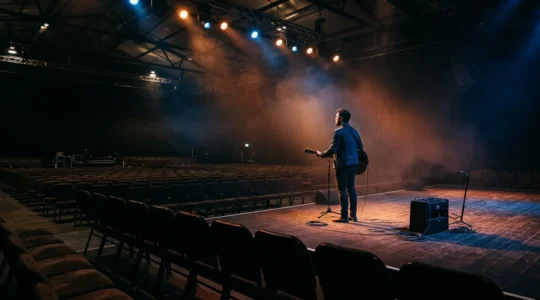
Why Does Your Live Show Fall Flat Despite Playing Every Note Correctly?
You’re a skilled musician playing every note perfectly, yet the audience remains disengaged. The problem isn’t your technical ability; it’s the lack of an energetic connection. This guide reframes performance from a musical recital into an « energetic transaction, » teaching you…
Lire la suite
Why Does Touring Destroy Musicians’ Health Even When the Shows Go Well?
The success of a tour isn’t measured in sold-out shows, but in your ability to master the hidden economies of energy, finance, and emotion that determine whether you return home energised or broken. Chronic burnout stems from a cycle of…
Lire la suite
Why Do Some Composers Write Symphonies at 25 While Others Peak at 60?
A composer’s creative peak isn’t determined by age or innate genius, but by their fundamental method of innovation. Early peaks are often driven by « conceptual » innovators who execute a brilliant, pre-conceived idea. Later peaks belong to « experimental » innovators who discover…
Lire la suite
Why Do Most Artist Photos Look Generic While Some Become Iconic?
The key to an iconic artist photo isn’t a better camera or a cooler pose; it’s the deliberate act of translating your sonic identity into a coherent visual language. Generic photos document appearance; iconic photos construct a myth and tell…
Lire la suite
The Immortals: Why Do Some UK Music Legends Endure While Others Fade?
An artist’s longevity isn’t accidental; it’s forged by their ability to achieve deep and lasting ‘Cultural Resonance’, embedding themselves into the fabric of the nation’s memory. Capturing the zeitgeist at a pivotal moment is more powerful than just releasing good…
Lire la suite